


jiliaaa | The Allure of Strategy Games: Exploring the Depths of Tactical Mastery
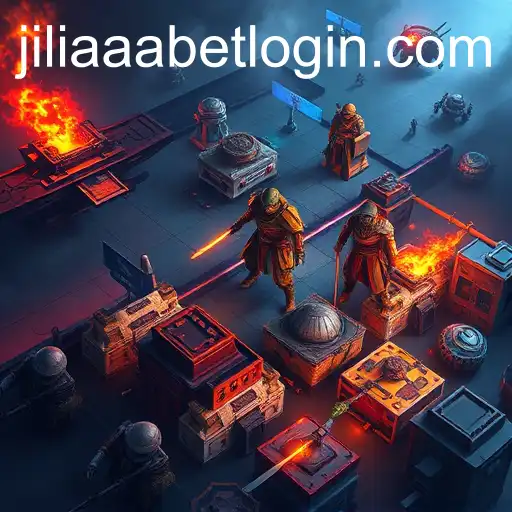
Strategy games have long captivated the minds of gamers worldwide, offering an engaging blend of tactical planning, problem-solving, and resource management. Unlike fast-paced action games, strategy games emphasize thoughtful deliberation and long-term planning. They often require players to make complex decisions that can impact the outcome of the game, rewarding those who have a keen sense of anticipation and an eye for detail. These games span various subgenres including real-time strategy (RTS), turn-based strategy (TBS), tower defense, and more, each providing unique challenges and gameplay mechanics.
The charm of strategy games lies in their ability to engage players in creating and executing plans to outwit opponents or achieve specific objectives. Popular franchises like 'Civilization,' 'StarCraft,' and 'Age of Empires' have set the bar high with immersive storylines, expansive worlds, and challenging AI opponents. In 'Civilization,' players guide an entire civilization from its inception to global dominance, navigating diplomacy, research, and military conquest in a turn-based system. Meanwhile, 'StarCraft' enthralls with its real-time tactical battles set in a detailed science fiction universe, demanding quick-thinking and adaptive strategies.
One of the key elements that makes strategy games enjoyable is the sense of accomplishment derived from overcoming complex challenges. Players must utilize strategic thinking to allocate resources effectively, build armies, manage economies, and fortify defenses, all while anticipating enemy moves. This often involves a trial-and-error approach, where learning from past mistakes is crucial to improving strategies and ultimately achieving victory.
Moreover, strategy games are celebrated for their replayability. Each playthrough can unfold differently, depending on player decisions and random game elements, ensuring a fresh experience every time. The rise of esports has further amplified the popularity of strategy games, with competitions drawing massive audiences eager to watch skilled players outmaneuver each other in high-stakes tournaments.
In the digital age, strategy games continue to evolve with enhanced graphics, deeper AI, and complex multiplayer environments. The introduction of modding communities has also allowed players to contribute creatively, designing new maps, units, and gameplay modes. Ultimately, the enduring appeal of strategy games lies in their capacity to challenge the mind and provide an arena for intellectual competition and creativity.
